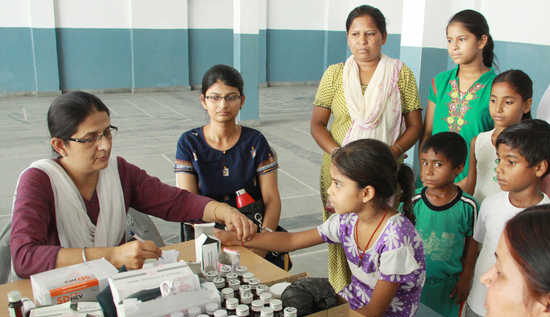
Medical Treatment
Medical treatment in a non-governmental organization (NGO) plays a vital role in improving the health and well-being of underserved and marginalized communities. NGOs work to provide accessible, affordable, and quality healthcare services to individuals who may not have access to government or private medical facilities due to poverty, geographic isolation, or social barriers.
These organizations offer a wide range of medical services, including general health check-ups, diagnosis and treatment of common illnesses, distribution of essential medicines, first aid, and emergency care. Many NGOs also focus on maternal and child healthcare by providing prenatal and postnatal care, nutrition support, safe delivery guidance, immunization programs, and growth monitoring for children.
In addition to treatment, NGOs actively promote disease prevention and health awareness. They conduct vaccination drives, health camps, screenings for chronic diseases, and awareness programs on hygiene, sanitation, nutrition, family planning, and prevention of communicable diseases. Some NGOs also provide specialized services such as mental health counseling, disability support, rehabilitation, and care for elderly patients.
Medical NGOs often collaborate with volunteer doctors, nurses, healthcare workers, and community health educators to reach remote and low-income areas. Mobile clinics and outreach programs are commonly used to ensure healthcare reaches those who cannot travel to hospitals. Through these efforts, NGOs help reduce health inequalities, improve public health outcomes, and empower communities to lead healthier lives.